

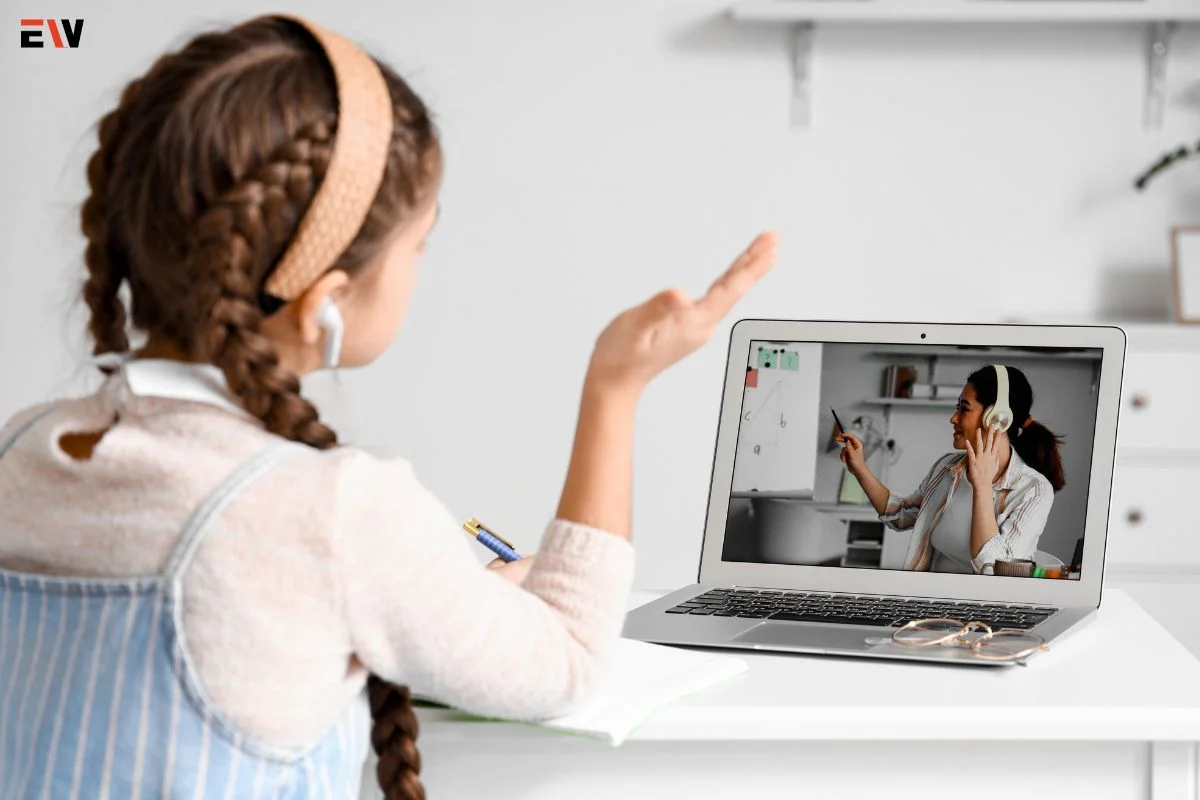
Understanding the Modern Role of an Online Tutor
The concept of an online tutor has evolved from being a simple homework helper to a key component of personalized, tech-driven education. In today’s digital learning ecosystem, students of all ages are turning to online tutoring for academic support, professional exam preparation, and skill development. This transformation is not merely a byproduct of convenience; it’s a reflection of how digital education now prioritizes flexibility, inclusivity, and measurable learning outcomes.
An online tutor bridges the gap between traditional classroom education and the personalized pace of one-on-one mentoring. Unlike rigid classroom structures, an online tutor tailors lessons to match each learner’s abilities, goals, and preferred learning style. Whether it’s for elementary reading skills, advanced mathematics, or professional certifications, these educators use virtual tools, adaptive technology, and data-driven insights to help students succeed.
Attending H2 biology tuition is essential for students tackling advanced biology topics at a higher level. Lessons focus on in-depth understanding, data interpretation, and answering structured questions effectively. With consistent practice and expert feedback, students can strengthen weak areas and perform confidently in demanding H2 biology examinations.
Why Online Tutoring Has Become Essential
Online tutoring is no longer an alternative—it’s a necessity in the modern learning landscape. Several factors have contributed to its rapid adoption:
- Accessibility: Students can connect with subject experts regardless of location. This eliminates the limitations of geography and enables learning from the best educators across the globe.
- Flexibility: With 24/7 availability, students can learn at their own pace and on their own schedule, reducing stress and improving consistency.
- Personalization: Advanced tutoring platforms use analytics and AI to assess student performance and tailor future sessions to strengthen weak areas.
- Affordability: Compared to traditional private tutoring, online sessions often provide better value and scalable pricing options.
- Comprehensive Resources: From recorded sessions to interactive quizzes, students have constant access to materials that reinforce lessons beyond live instruction.
The Technology Behind Online Tutoring Success
Behind every effective online tutor lies a robust digital infrastructure that enhances learning outcomes. These platforms integrate Learning Management Systems (LMS), virtual classrooms, video conferencing, and assessment tools. The combination of these elements ensures that learning remains interactive and measurable.
Key Features of an Effective Tutoring Platform
- Interactive Whiteboards: Real-time visual collaboration mimics the experience of in-person learning.
- Screen Sharing & File Uploads: Tutors can demonstrate complex solutions and share supporting materials instantly.
- AI-Powered Progress Tracking: Algorithms analyze student performance to identify knowledge gaps.
- Gamified Learning Tools: Engaging quizzes and challenges keep students motivated.
- Secure Communication Channels: Ensures privacy and a safe digital environment for learners.
The rise of cloud-based platforms also means that both tutors and students can access lessons from any device, making learning more mobile and inclusive.
How Online Tutors Personalize the Learning Experience
One of the most impactful elements of an online tutor’s approach is customization. Unlike a classroom where a teacher must cater to multiple students simultaneously, online tutoring sessions revolve around the individual learner.
Strategies Tutors Use to Customize Learning
- Diagnostic Assessments: Before instruction begins, tutors assess student strengths and weaknesses.
- Adaptive Curriculum: Lessons evolve based on progress and engagement.
- Goal-Oriented Planning: Tutors set measurable short- and long-term goals to maintain focus.
- Continuous Feedback: Both students and parents receive regular updates to track improvements.
- Use of Visual and Audio Aids: Catering to visual, auditory, and kinesthetic learning styles ensures retention.
This personalized structure not only enhances academic results but also builds confidence and critical thinking.
Academic and Professional Benefits of Online Tutoring
Online tutoring extends far beyond helping students pass exams—it fosters lifelong learning skills. For students in K–12 education, it helps improve foundational concepts, while college and adult learners leverage tutoring for specialized training and test preparation.
Academic Benefits
- Improved grades and subject comprehension
- Strengthened study habits and discipline
- Increased motivation and academic curiosity
- Reduced learning anxiety and test stress
Professional Development
For professionals, online tutoring serves as a stepping stone toward career advancement. Whether preparing for licensing exams, certifications, or developing technical skills, personalized online instruction enhances career readiness.
Fields such as STEM, healthcare, finance, and computer science particularly benefit from this form of guided, practical education.
The Human Element Behind Digital Tutoring
While technology drives the delivery of online education, the human connection remains at its core. Skilled tutors know how to read a student’s emotional cues, adapt their tone, and create a supportive environment that motivates consistent learning.
Students who may feel intimidated in traditional classrooms often thrive in one-on-one online settings. The safe, non-judgmental atmosphere encourages them to ask questions, make mistakes, and build resilience.
Emotional Intelligence in Online Tutoring
The best online tutors possess strong emotional intelligence. They:
- Recognize when a student is struggling emotionally, not just academically.
- Offer encouragement to sustain motivation.
- Use empathy to tailor explanations and feedback.
- Foster self-confidence by celebrating progress.
This emotional connection differentiates an online tutor from an automated learning system. It transforms digital learning from a mechanical process into a deeply human experience.
The Future of Online Tutoring in the USA
The demand for online tutors in the United States continues to grow as education technology becomes more advanced and accessible. Hybrid schooling models and the rise of remote work are shaping how students and professionals approach education.
Trends show a surge in tutoring for STEM subjects, language learning, and standardized test preparation. Furthermore, many public and private institutions now collaborate with online tutoring networks to provide supplemental instruction to students across all grade levels.
The Rise of Specialized Online Tutors
As digital education matures, tutors are moving toward specialization rather than general instruction. For instance:
- Coding tutors focus on Python, Java, and data science.
- Language tutors incorporate cultural immersion techniques.
- Math tutors use visual analytics to explain problem-solving patterns.
- Career tutors help adults master job-specific tools like Excel, SQL, or project management software.
Such specialization ensures that students receive targeted, high-quality instruction aligned with real-world applications.
How to Choose the Right Online Tutor
Selecting the right online tutor can determine how effective the learning experience will be. Students and parents should evaluate more than just credentials—they should look for compatibility, teaching style, and measurable outcomes.
Key Factors to Consider
- Qualifications and Expertise: Verify degrees, certifications, and subject experience.
- Teaching Methodology: Look for tutors who offer interactive, student-centered learning.
- Communication Skills: Effective communication ensures clarity and engagement.
- Feedback Mechanism: Tutors who provide actionable feedback contribute to steady progress.
- Student Reviews and Testimonials: Real experiences often reveal more than resumes.
Trial sessions can also help gauge comfort levels before committing to long-term instruction.
Integrating Online Tutoring into Daily Learning Routines
One of the greatest advantages of having an online tutor is the ability to integrate learning into daily life. Students no longer need to commute or adhere to rigid timetables. Instead, they can schedule sessions when their energy and focus levels are highest.
To make the most of this learning method:
- Set consistent study hours to maintain rhythm.
- Create a distraction-free study space.
- Use digital tools like note-taking apps and flashcards.
- Track performance metrics after every session.
Over time, this structure reinforces discipline and builds a strong learning routine.
Real-World Impact of Online Tutoring
Thousands of students have improved academic outcomes through virtual tutoring. In underserved communities, online education has provided equal access to quality learning resources. For gifted students, it has opened doors to advanced content and enrichment opportunities unavailable in traditional settings.
Educators report that online tutoring has helped bridge learning gaps that emerged during remote learning transitions, ensuring that no student is left behind.
Frequently Asked Questions
Q1. Can an online tutor really replace in-person tutoring?
While nothing completely replicates face-to-face human interaction, online tutoring has proven equally effective—sometimes more so—because of its personalized attention, advanced analytics, and consistent feedback loops.
Q2. How do I know if an online tutor is right for my child?
Look for tutors who prioritize engagement and understanding over rote learning. Trial lessons and progress tracking tools can help confirm a good match.
Q3. Are online tutors suitable for adults or working professionals?
Absolutely. Many adults use online tutoring for exam prep, certification training, and upskilling for career advancement.
Q4. What subjects are most popular for online tutoring?
Mathematics, English, coding, and science are consistently high-demand subjects, but language learning and business skills are quickly catching up.
Q5. How does technology enhance tutoring effectiveness?
Interactive whiteboards, AI-driven analytics, and real-time collaboration tools create an engaging, data-informed learning experience that adapts to each student’s needs.
Q6. How many sessions per week are ideal for steady progress?
Most experts recommend two to three focused sessions weekly, supported by consistent practice and review materials.
This in-depth look at the online tutor model highlights how digital education is reshaping how people learn, teach, and succeed. As technology evolves, online tutoring continues to stand as a bridge between personalized human instruction and the limitless potential of virtual learning.
Comments are closed.