

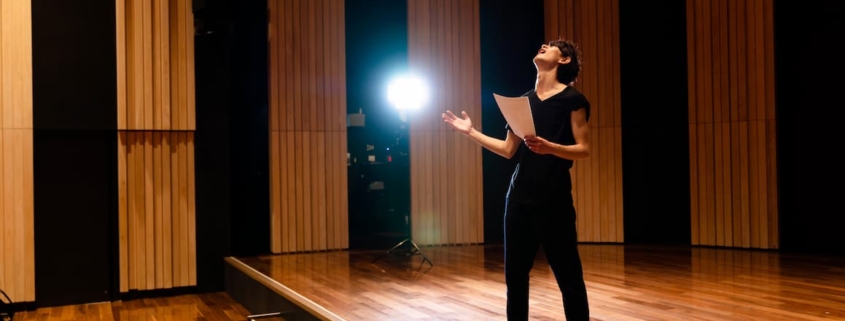
Standing on stage can feel terrifying for children. Bright lights shine down. Faces stare up from the audience. Hearts pound. Hands shake. These feelings are normal, but they don’t have to control your child’s performance.
Speech and drama in English offers practical tools to manage these nerves. Regular practice builds confidence that lasts far beyond the stage. Your child learns techniques they can use in school presentations, job interviews, and everyday life.
Why Children Experience Stage Fright
The fear of performing comes from our basic survival instincts. When we feel watched and judged, our bodies react as if we’re in danger. Blood rushes away from the brain to the muscles. Breathing becomes shallow. Thoughts scatter.
Children face extra pressure because they’re still learning who they are. They worry about forgetting lines or looking silly in front of friends. These concerns feel massive when you’re young.
The good news is that nerves can be trained. Just like learning to ride a bike, managing performance anxiety gets easier with practice.
Building Confidence Through Structured Practice
Speech and drama classes create a safe space to fail. Children practise in front of supportive peers who understand their struggles. They learn that mistakes don’t equal disaster.
Structured routines help because they remove guesswork. Your child knows exactly what comes next. This predictability calms the nervous system. Their brain can focus on performing instead of worrying.
Warm-up exercises prepare the body and mind. Simple breathing techniques slow the heart rate. Tongue twisters loosen the jaw and improve clarity. Physical stretches release tension from shoulders and neck.
Practical Techniques That Work
Breathing exercises form the foundation of nerve management. Teach your child to breathe deeply into their belly, not just their chest. Count to four while breathing in, hold for four, then release for four. This pattern activates the body’s relaxation response.
Visualisation helps children mentally rehearse success. Ask them to imagine walking on stage feeling calm and confident. They picture themselves speaking clearly and finishing strong. The brain treats these mental rehearsals like real practice.
Positive self-talk replaces worried thoughts with helpful ones. Instead of “I’ll mess up,” your child learns to think “I’ve practised this well.” Small shifts in internal dialogue create big changes in performance.
The Power Of Repetition
Speech and drama in English relies heavily on repetition. Children rehearse the same pieces many times. This repetition moves knowledge from conscious effort to automatic memory.
When material becomes automatic, the mind has space to focus on delivery. Your child stops worrying about what comes next. They can add expression, make eye contact, and connect with the audience.
Repetition also proves capability. Each successful run-through becomes evidence that your child can do this. Past success predicts future success.
Working With Physical Symptoms
Shaking hands and wobbly voices are physical responses to stress. Speech and drama routines address these directly through body awareness exercises.
Grounding techniques help children feel connected to the floor. They learn to stand with weight evenly balanced. This stable base makes them feel literally and emotionally steadier.
Voice projection exercises build strength in the vocal cords. A stronger voice sounds more confident, which actually helps your child feel more confident. The connection between body and mind works both ways.
Creating Pre-Performance Rituals
Rituals give children a sense of control. These might include specific warm-ups, wearing a lucky item, or repeating an encouraging phrase.
The content of the ritual matters less than the routine itself. When your child performs the same actions before each performance, their brain recognises the pattern. This familiarity triggers a calm, focused state.
Many professional actors use rituals throughout their careers. Your child learns a skill that serves them long-term.
Long-Term Benefits Beyond The Stage
Skills learned through speech and drama in English transfer to many situations. Your child becomes better at presenting school projects. They feel more comfortable speaking up in class. Job interviews later in life feel less daunting.
These classes teach children that nerves are manageable, not insurmountable. This lesson shapes how they approach challenges throughout life. Confidence grows with each performance, creating a positive cycle that builds over time.
Comments are closed.