

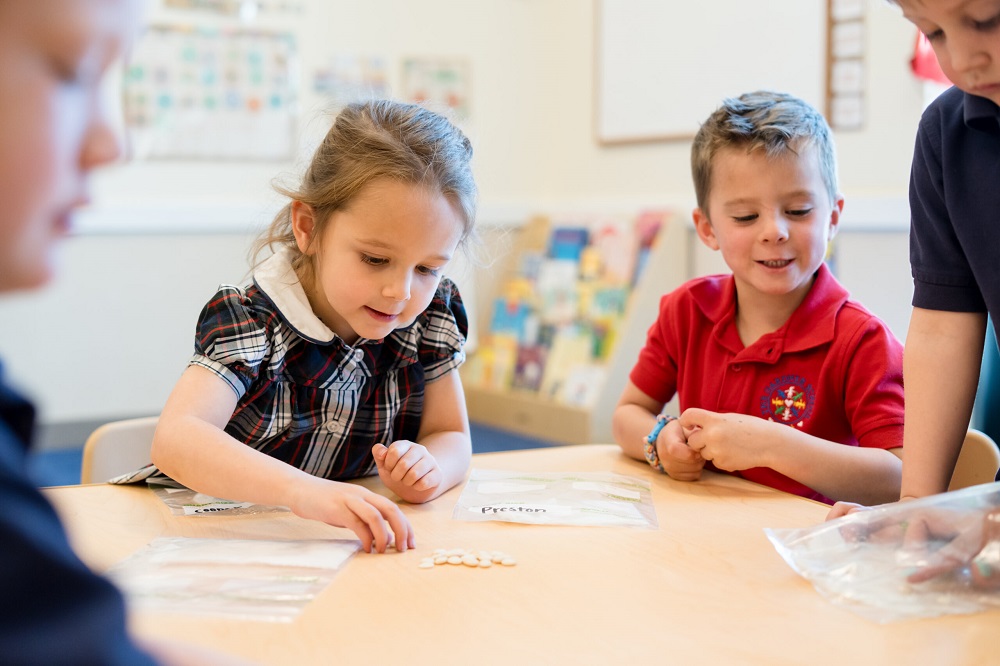
For many parents, choosing the right international kindergarten in Thailand option is about far more than the first stage of formal education. These early classroom years help children build confidence, language, routines and learning habits that often influence how they approach school for a long time afterwards.
Kindergarten Is a Key Stage, Not Just a Transition
It is easy to think of kindergarten as a simple bridge between nursery and primary school, but in reality it plays a much bigger part in a child’s development. This is often the stage where children begin to understand how learning works in a more structured setting. They start listening in group situations, following instructions more independently and expressing themselves with greater clarity.
At the same time, they are still very young. That means the environment has to support both academic readiness and emotional security. Children need opportunities to explore, ask questions and build confidence without feeling pushed too quickly into a rigid routine. A strong kindergarten setting recognises that balance and builds learning around it.
Parents often notice the impact of these years in simple ways at first. A child may become more comfortable speaking up, more settled with daily routines or more curious about the world around them. Those are meaningful signs of progress, even when they seem small on the surface.
The Best Classrooms Blend Structure With Exploration
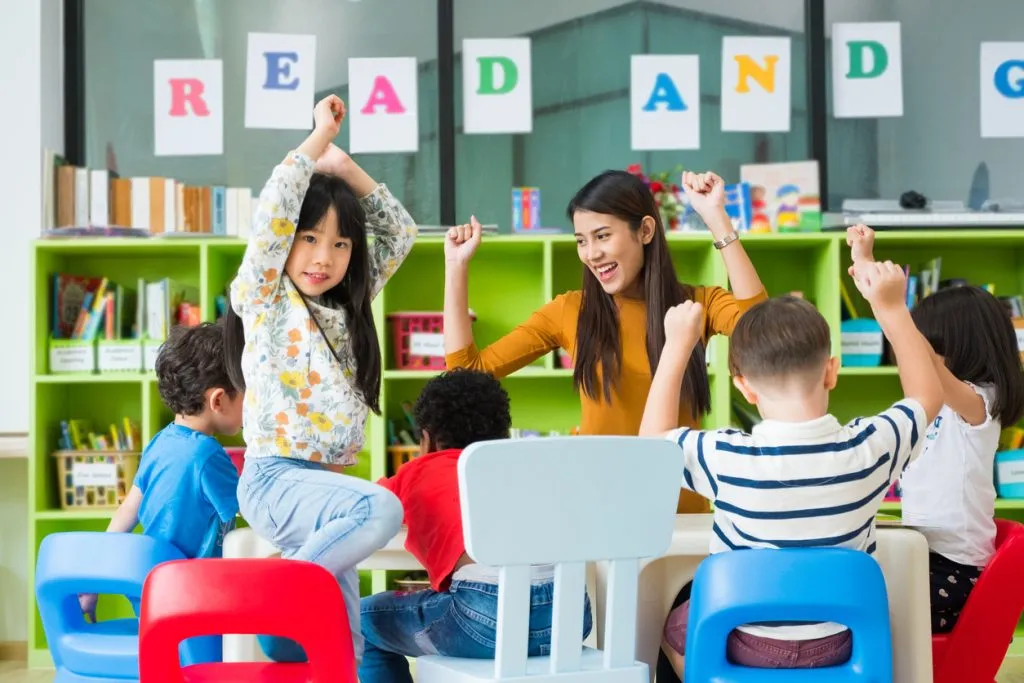
Young children usually respond well when there is a clear rhythm to the day. Predictable routines can help them feel secure, especially in a school environment where everything is still relatively new. That sense of structure makes it easier for them to engage, settle and take part with confidence.
At the same time, kindergarten should not feel overly formal. Children at this age still learn best through active participation, conversation, creative play and guided discovery. The strongest settings understand that structure and exploration do not compete with each other. In fact, they work best together.
A well-run kindergarten classroom will often feel calm, purposeful and age-appropriate. Children are learning important skills, but they are doing so in a way that makes sense for their stage of development. That helps learning feel natural rather than forced, which is often why strong early education leaves such a lasting impression.
Social Development Matters Just as Much as Academic Progress
Parents understandably focus on literacy, numbers and school readiness, but social development is just as important during the kindergarten years. This is when children begin learning how to work alongside others, share space, manage emotions and respond to different personalities in a classroom setting.
These experiences shape how children see themselves as learners and as part of a wider group. A supportive classroom helps them practise patience, turn-taking, listening and cooperation, all of which matter far beyond the early years. These are not side benefits, they are central to a child’s ability to settle and thrive at school.
In an international setting, this can be even more valuable. Children may be learning alongside classmates from different backgrounds, languages and experiences. That gives them a broader social environment from an early age and can help them become more adaptable, aware and open in the way they relate to others.
Parents Often Benefit From Looking at the Whole Experience
When comparing kindergarten options, it helps to look beyond surface impressions. Facilities and classroom design do matter, but so do teaching approach, communication and the overall atmosphere of the school. Parents often gain the clearest insight by considering how the different parts of the experience work together.
Questions about routine, class environment, teacher support and how the school encourages confidence can be just as useful as looking at the curriculum itself. Children at this stage need an environment that feels safe and nurturing, but also rich enough to encourage real growth.
That balance is often what gives parents confidence that their child is not simply being looked after, but genuinely supported through an important stage of learning and development.
A strong kindergarten experience can influence far more than a single school year. When children begin in an environment that combines warmth, structure and thoughtful learning, they are often better prepared not only for the next stage of school, but for the habits and attitudes that follow them through it.
Comments are closed.