

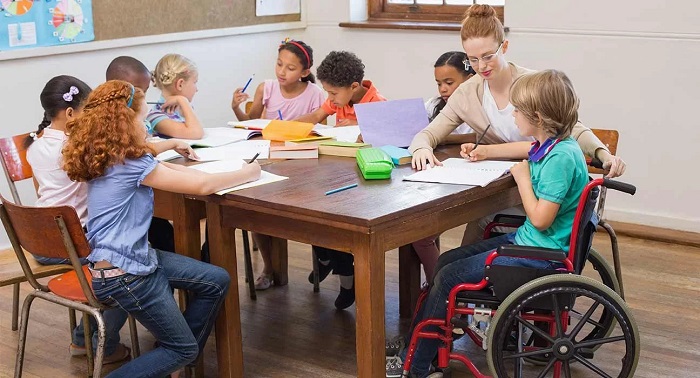
The modern educational landscape is characterized by rich diversity. Classrooms bring together students with varied cultural backgrounds, languages, neurodivergent traits, physical capabilities, and socioeconomic experiences. Historically, formal education was designed around a hypothetical average student. Traditional curricula, uniform testing routines, and rigid classroom layouts operated on the assumption that every child could absorb information at the same rate and express understanding through the same standardized formats. Those who fell outside this narrow band were often relegated to separate spaces or left to struggle without adequate support.
Today, educational research and civil rights advocacy have exposed the profound shortcomings of that exclusionary approach. True inclusion extends far beyond merely integrating students with disabilities into general education classrooms. It represents a fundamental cultural, physical, and pedagogical transformation of the entire school ecosystem. Creating an authentically inclusive environment means designing learning spaces where every student feels valued, safe, respected, and equipped to reach their full potential. By examining the essential elements of modern inclusive education, school leaders and educators can turn their campuses into thriving learning hubs where differences are welcomed as assets rather than viewed as deficits.
Reframing the Philosophy: From Integration to True Inclusion
To build effective educational programs, schools must first distinguish between simple integration and genuine inclusion. Integration typically means placing a student with non-traditional learning needs into a mainstream classroom while expecting that student to adapt to an inflexible, unchanged environment. Under this model, the burden of adaptation rests almost entirely on the individual child. When the student struggles to keep pace with rigid lessons, they are often perceived as disruptive or incapable.
Genuine inclusion shifts that burden from the student to the educational institution. It asks a foundational question: how can our school environment, teaching practices, and institutional policies be redesigned to naturally anticipate and accommodate the full spectrum of human variability?
-
Presuming Competence: Inclusive education starts with the baseline belief that every child possesses an inherent capacity to learn, communicate, and contribute meaningfully when provided with the proper tools and support.
-
Valuing Neurodiversity: Rather than viewing conditions such as autism, attention deficit hyperactivity disorder, or dyslexia as medical flaws needing remediation, inclusive schools recognize them as natural variations in human neurological wiring that require tailored instructional strategies.
-
Eliminating Stigmatizing Labels: While specialized educational plans and diagnostic classifications remain necessary for securing resources, inclusive schools avoid using labels to define or cap a child academic expectations.
-
Cultivating Shared Belonging: Inclusion guarantees that every child participates fully in classroom assemblies, field trips, extracurricular clubs, and lunchroom interactions, dismantling the social silos that isolate vulnerable students.
When a school community embraces this philosophical shift, it ceases treating accommodations as inconvenient disruptions, viewing them instead as opportunities to enrich the learning experience for the entire student body.
Implementing Universal Design for Learning in Everyday Curriculum
The most effective pedagogical framework for realizing true classroom equity is Universal Design for Learning. Originating in architecture, where curb cuts and ramps designed for wheelchair users proved equally beneficial for parents with strollers and travelers with rolling luggage, Universal Design applies the same proactive accessibility principles to instructional design.
Instead of creating a uniform lesson plan and retrofitting accommodations after a student struggles, educators use three core pillars to build flexibility into their units from the start.
Multiple Means of Representation
Information must be accessible across varied sensory and cognitive processing preferences:
-
Delivering foundational concepts through varied media, including written text, auditory narration, graphic organizers, tactile models, and hands-on experiments.
-
Providing digital textbooks equipped with adjustable font sizing, screen-reading software, and high-contrast color settings.
-
Pre-teaching unfamiliar vocabulary and using visual anchors to support English language learners and students with processing delays.
Multiple Means of Action and Expression
Students need diverse avenues to demonstrate mastery of standard curriculum concepts:
-
Allowing learners to choose how they demonstrate understanding, whether through written essays, oral presentations, podcast recordings, visual murals, or functional digital models.
-
Providing assistive communication devices, speech-to-text dictation tools, and specialized keyboards for students who experience physical or motor challenges.
-
Offering flexible time allocations and scaffolded project rubrics that deconstruct complex semester assignments into clear, manageable steps.
Multiple Means of Engagement
Sustaining student interest and motivation requires recognizing what sparks curiosity across diverse personalities:
-
Offering choices in assignment topics, allowing students to connect standard learning goals to their personal passions, cultural traditions, or lived experiences.
-
Balancing collaborative peer work with quiet, independent study areas to support both introverted and extroverted learning temperaments.
-
Designing varied challenge levels within assignments so that advanced learners stay engaged while developing students work without feeling overwhelmed.
By removing structural learning barriers up front, educators reduce academic frustration and empower every student to engage with grade-level content.
Redesigning Physical and Sensory Classroom Environments
A student cognitive performance is directly influenced by the physical and sensory landscape of the school facility. Traditional institutional classrooms, characterized by buzzing fluorescent lighting, rows of rigid desks, and echoing hard tile floors, can trigger sensory overload or physical fatigue in many children, especially those navigating sensory processing differences.
Thoughtful adjustments to the physical space help regulate nervous systems and improve concentration:
-
Flexible Seating Arrangements: Replacing uniform metal chairs with wobble stools, floor cushions, standing desks, yoga balance balls, and soft armchairs allows students to adjust their posture and movement to stay focused throughout the day.
-
Sensory Regulation Zones: Creating quiet corners equipped with noise-dampening headphones, weighted lap blankets, dim warm lighting, and tactile fidget tools gives overstimulated students a safe space to reset without leaving the room.
-
Acoustic and Lighting Adjustments: Installing fabric wall hangings, carpet runners, and acoustic panels dampens sound reverberations that distract students with auditory processing challenges. Softening harsh overhead lighting with fabric filters or relying on indirect natural daylight reduces visual fatigue and headaches.
-
Barrier-Free Physical Navigation: Widening aisles between work tables, ensuring flat thresholds, and organizing storage bins at accessible heights guarantees that students using wheelchairs, crutches, or walkers can move through the room independently.
When a physical environment supports a child sensory and motor needs, mental energy is freed up for conceptual learning and positive social engagement.
Building Collaborative Co-Teaching and Multidisciplinary Teams
Creating an inclusive school environment cannot be left to a solitary general education teacher working in isolation. Managing dozens of diverse learning needs inside a single classroom requires a collaborative, team-based approach that unites diverse professional skill sets.
The co-teaching model pairs general education subject experts directly with certified special education instructors inside the same learning space:
-
Team Teaching: Both educators lead classroom instruction together, blending deep subject-matter knowledge with specialized pedagogical accommodations.
-
Station Teaching: The classroom is divided into distinct instructional stations, with each educator leading small-group explorations while remaining students work on collaborative or independent assignments.
-
Parallel Teaching: The class is split into two smaller groups to cover the same curriculum simultaneously, lowering the student-teacher ratio to encourage participation and facilitate real-time feedback.
-
Alternative Teaching: One teacher guides the majority of the class through core material, while the co-teacher works with a small group for targeted pre-teaching, remediation, or enrichment.
Beyond classroom co-teachers, successful inclusion relies on active collaboration with school speech-language pathologists, occupational therapists, mental health counselors, and paraprofessionals. When these specialists integrate their services directly into general education classrooms rather than pulling children out for isolated sessions, therapies become relevant to the student daily school routines.
Social-Emotional Learning and Fostering an Anti-Bias School Culture
Academic access is only half the battle. A child who feels socially isolated, misunderstood, or targeted on the playground cannot learn effectively. Cultivating an inclusive school environment requires intentional efforts to nurture empathy, emotional regulation, and cultural respect across the entire student population.
Social-emotional learning and anti-bias practices must be woven into the fabric of the school day:
-
Explicit Empathy and Perspective-Taking Curricula: Using literature, history discussions, and guided role-playing to help students recognize different points of view, discuss neurodiversity openly, and understand the impact of exclusionary actions.
-
Restorative Justice Frameworks: Replacing exclusionary zero-tolerance discipline policies—which disproportionately affect minority students and children with emotional disabilities—with restorative practices that focus on accountability, conflict mediation, repairing harm, and rebuilding community trust.
-
Accessible Extracurricular Programs: Ensuring that school sports teams, drama clubs, musical ensembles, and student councils offer reasonable accommodations and unified programs, allowing students of all ability levels to participate side by side.
-
Culturally Responsive Classrooms: Stocking school libraries and display walls with literature, artwork, and historical narratives that reflect diverse cultural heritages, family structures, and ability levels, ensuring every child sees their identity affirmed in their learning materials.
When children witness inclusion modeled consistently by the adults around them, they develop kindness, cross-cultural competence, and social maturity that serve them well into adulthood.
Partnering with Families and Communities
Parents and primary caregivers are a child first and most enduring advocates. Too often, families of students with diverse learning needs experience school interactions purely through adversarial meetings, diagnostic reports, and disciplinary phone calls.
An inclusive school builds proactive, collaborative partnerships with families that honor their firsthand insights:
-
Strengths-Based Individualized Education Programs: Structuring formal planning meetings around the student unique talents, personal passions, and aspirations rather than focusing solely on deficits and test score percentiles.
-
Multilingual and Accessible Communication: Translating all school newsletters, web portals, and meeting notices into the home languages of the community, and providing certified interpreters for parent-teacher conferences to ensure language is never a barrier to participation.
-
Regular Family Advisory Councils: Establishing diverse parent advisory boards that allow caregivers to provide direct feedback on school accessibility, community safety, and curriculum representation directly to school leadership.
-
Community Resource Partnerships: Connecting families with local mental health networks, pediatric clinics, adaptive recreation programs, and vocational training centers to provide comprehensive support that extends past the final school bell.
When schools and families work together with mutual respect, they build a consistent support network around the child that reinforces learning, confidence, and emotional stability.
Sustained Professional Development and Administrative Leadership
Transforming an established school culture into an inclusive environment requires steady administrative leadership and continuous, high-quality professional development. Educators cannot be expected to master specialized differentiation techniques, adaptive technologies, and trauma-informed behavioral practices without clear training and institutional support.
School districts committed to genuine inclusion must provide ongoing resources to their staff:
-
Dedicated Collaborative Planning Time: Building common planning blocks into the weekly master schedule, giving general education teachers and special education specialists time to review data, design lessons, and co-develop accommodations.
-
Practical Training in Assistive Technology: Providing hands-on workshops where teachers learn how to integrate modern accessibility tools, text-to-speech programs, and adaptive hardware into daily classroom instruction.
-
Trauma-Informed Behavioral Instruction: Equipping educators to recognize how stress, economic instability, and adverse childhood experiences affect student behavior, teaching de-escalation methods that preserve student dignity.
-
Empowering School Paraprofessionals: Offering professional development and fair wages to educational aides, who work directly alongside vulnerable students every day, ensuring they understand the overarching instructional and behavioral goals.
When school leaders champion inclusion through dedicated budget allocations, common planning time, and ongoing training, they create an institutional culture where every educator is equipped to help every child succeed.
Frequently Asked Questions
How does an inclusive classroom setting benefit general education students without identified learning needs?
Research consistently demonstrates that general education students thrive academically and socially inside inclusive classrooms. Exposure to Universal Design for Learning provides high-achieving students with varied ways to engage with material, deepening their conceptual understanding. Furthermore, learning alongside peers with diverse backgrounds, physical abilities, and neurological profiles fosters strong communication skills, empathy, problem-solving adaptability, and cross-cultural competence. These collaborative interpersonal capabilities are highly valued in higher education and modern global workplaces.
What is the difference between an accommodation and a modification in an inclusive school plan?
An accommodation changes how a student learns or accesses the standard curriculum without altering the underlying learning standard or grading criteria. Examples include providing extra time on exams, offering audiobooks, or allowing sensory seating. A modification fundamentally alters what the student is expected to learn, adjusting the depth, complexity, or testing standards of the curriculum. For example, a student might be assigned reading passages written at a different grade level or tested on fewer core concepts than the general class.
How do educators manage challenging behaviors in an inclusive classroom without disrupting other students?
Inclusive schools address behavioral challenges through proactive frameworks like Positive Behavioral Interventions and Supports (PBIS) alongside Functional Behavioral Assessments (FBAs). Instead of punishing a student for acting out, educators determine the root cause of the behavior—such as sensory overload, communication frustration, or academic anxiety. By teaching the student alternative self-regulation and communication strategies, using visual schedules, and providing quiet de-escalation areas, teachers resolve disruptions calmly while keeping the classroom safe and productive.
Does inclusive education place an excessive workload on general education classroom teachers?
Inclusion can feel overwhelming if a school relies on an outdated model where a single educator is expected to handle diverse learning needs alone. However, authentic inclusion relies on distributed teamwork. When schools provide dedicated collaborative planning periods, pair teachers with special education specialists through co-teaching models, and supply certified paraprofessionals, the day-to-day workload becomes manageable. Proactive lesson design through Universal Design also reduces the need to draft separate, individual lesson plans after the fact.
How can a school measure whether its inclusive education programs are truly successful?
Measuring success requires looking beyond standardized testing scores. Schools evaluate inclusion through diverse metrics, including rates of student participation in advanced coursework, reductions in disciplinary suspensions and office referrals, and improvements in overall attendance. Schools also monitor the percentage of time students with disabilities spend inside general education environments, gather regular feedback through climate surveys from students and families, and track post-graduation college and career outcomes.
What role do peers play in supporting an inclusive school community?
Peers are essential in shaping the social and cultural reality of an inclusive school. Informal student attitudes often determine whether a child with differences feels welcomed or isolated. Schools cultivate supportive peer environments through structured peer buddy programs, unified sports teams, and circle-of-friends initiatives that encourage natural friendships during lunch, recess, and after-school activities. Teaching children to be active allies and providing opportunities for collaborative problem-solving normalizes diversity across the student body.
How does trauma-informed teaching practice intersect with inclusive education?
Trauma-informed teaching recognizes that chronic stress, domestic instability, neglect, and systemic hardship alter brain development, often manifesting as executive dysfunction, emotional volatility, or academic withdrawal. In an inclusive classroom, trauma-informed practices create predictable daily routines, offer clear expectations, minimize sudden environmental triggers, and build strong, trusting adult-student relationships. These supports provide psychological safety, allowing traumatized students to regulate their nervous systems and engage with learning alongside their peers.
Comments are closed.